Leather has accompanied humanity for thousands of years. Archaeological discoveries show that people were already using animal hides during prehistoric times for clothing, shelter, and simple tools.
As civilizations developed, leather became far more than a practical material. Ancient Egyptians crafted elegant sandals and decorative objects from leather. The Greeks and Romans used it for armour, shields, belts, footwear, and travel equipment. Throughout the Middle Ages, leather was essential for saddles, bookbinding, bags, and countless everyday items.
The tanning process also evolved. Early craftsmen discovered that natural tannins found in tree bark and plants could preserve leather, making it stronger and more resistant to decay. This traditional method, known today as vegetable tanning, is still valued for its beauty and durability.
The Industrial Revolution transformed leather production, making it faster and more widely available. Yet even as factories expanded, handcrafted leather remained a symbol of quality, skill, and individuality.
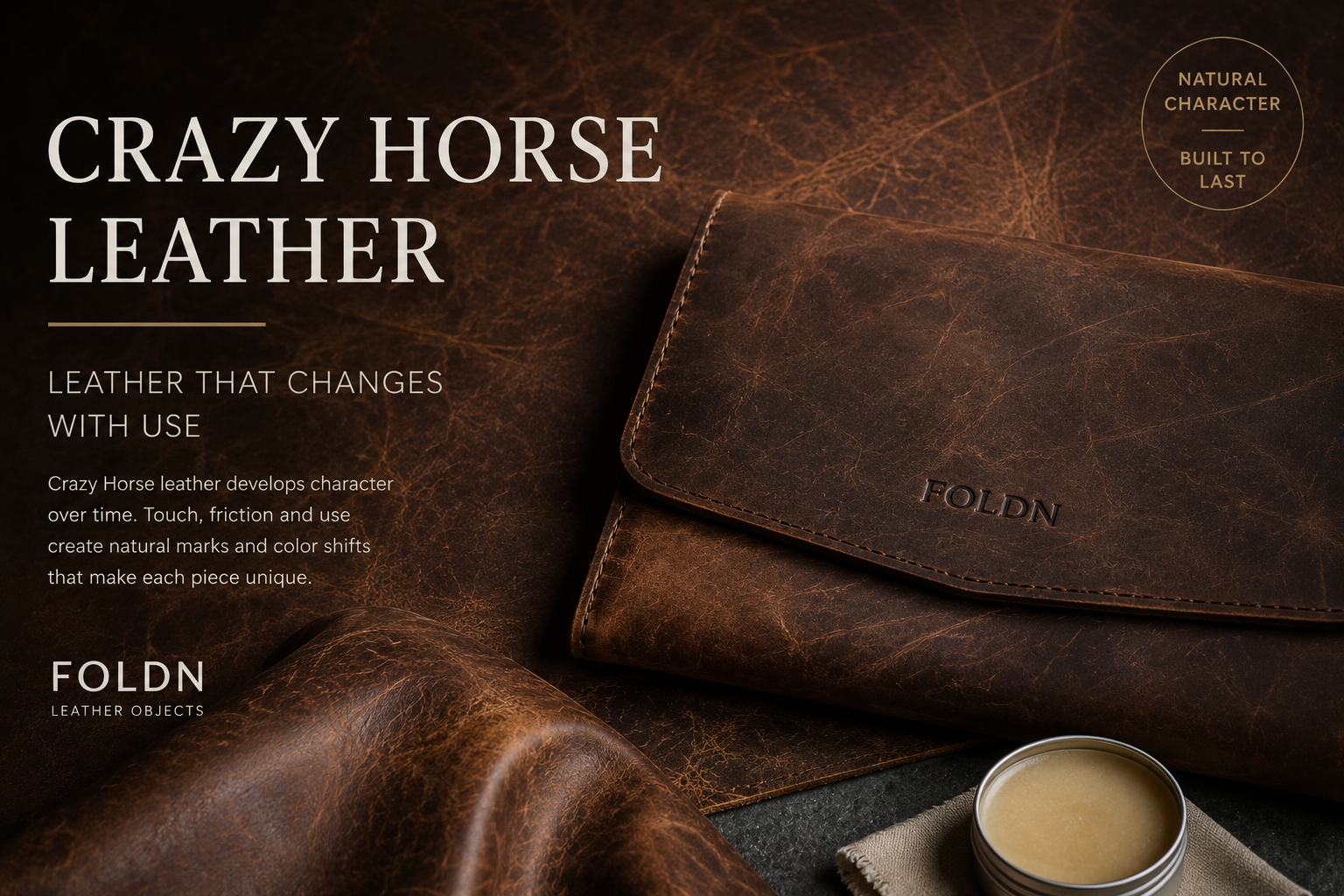
Today, leather continues to hold a unique place in modern design. Unlike synthetic materials, it changes with time, reflecting the life of its owner through texture, colour, and patina.
Perhaps that is why leather has never disappeared. It is more than a material—it is part of human history.